Dundonald Road upholstery cleaning specialists SW19: a practical guide to cleaner, fresher furniture
If your sofa has picked up everyday wear, a coffee mark that refuses to budge, or that faint not-quite-right smell that seems to settle into soft furnishings over time, you are not alone. Dundonald Road upholstery cleaning specialists SW19 can make a real difference to homes and businesses that want furniture to look better, smell fresher, and last longer. Truth be told, upholstery is often cleaned last, but it is one of the first things people notice when they walk into a room.
In this guide, we will look at what upholstery cleaning involves, why it matters on and around Dundonald Road, how the process works in practice, and what to expect if you are comparing services. We will also cover common mistakes, useful checks, and a few expert tips that help protect delicate fabrics. If you are trying to decide whether now is the right time, this should make the choice a bit easier.
For readers who want a broader overview of fabric care, the general upholstery cleaning service page is a useful starting point, while households often pair the work with sofa cleaning or stain removal when the fabric has taken a hit.
Table of contents
- Why Dundonald Road upholstery cleaning specialists SW19 Matters
- How Dundonald Road upholstery cleaning specialists SW19 Works
- Key Benefits and Practical Advantages
- Who This Is For and When It Makes Sense
- Step-by-Step Guidance
- Expert Tips for Better Results
- Common Mistakes to Avoid
- Tools, Resources and Recommendations
- Law, Compliance, Standards, or Best Practice
- Options, Methods, or Comparison Table
- Case Study or Real-World Example
- Practical Checklist
- Conclusion
- Frequently Asked Questions
Why Dundonald Road upholstery cleaning specialists SW19 Matters
Soft furnishings work hard. A family sofa absorbs body oils, dust, crumbs, pet hair, damp air from open windows, and the odd spill from an evening cuppa. Dining chairs collect grease from hands. Armchairs can trap pollen, smoke residue, and everyday grime. None of that is dramatic on its own, but together it slowly dulls the look and feel of a room.
That is why specialist upholstery cleaning matters. It is not just about making fabric look nice for a day or two. Done properly, it helps remove the build-up that ordinary vacuuming cannot reach, which can make a room feel cleaner overall. In a busy stretch like Dundonald Road, where homes may mix commuting routines, family life, pets, guests, and compact living spaces, furniture often gets used more heavily than people realise.
There is also a fabric-safety angle. Upholstery is not one-size-fits-all. Cotton blends, wool mixes, synthetics, velvet, linen, and microfibre all behave differently when moisture, heat, or detergent is involved. A specialist approach reduces the risk of colour loss, watermarking, shrinkage, or rough texture changes. Let's face it, replacing a good sofa is far more expensive and inconvenient than cleaning it well.
If you are planning a broader refresh, a combined visit can sometimes make sense. Many customers also look at carpet cleaning or even deep cleaning when the goal is to reset a room properly rather than patch one area at a time.
How Dundonald Road upholstery cleaning specialists SW19 Works
Professional upholstery cleaning usually begins with a careful inspection. That first minute matters more than people think. A good technician checks the fabric type, the condition of seams, the level of soiling, visible stains, and any signs of previous cleaning attempts. They also look for things that could react badly to water, agitation, or certain detergents.
Next comes testing. A small hidden area is normally checked to make sure the chosen method will not cause bleeding or texture damage. This is especially important on older furniture or pieces with mixed materials. A sensible cleaner does not rush this bit. If the fabric is unsure, they should be too.
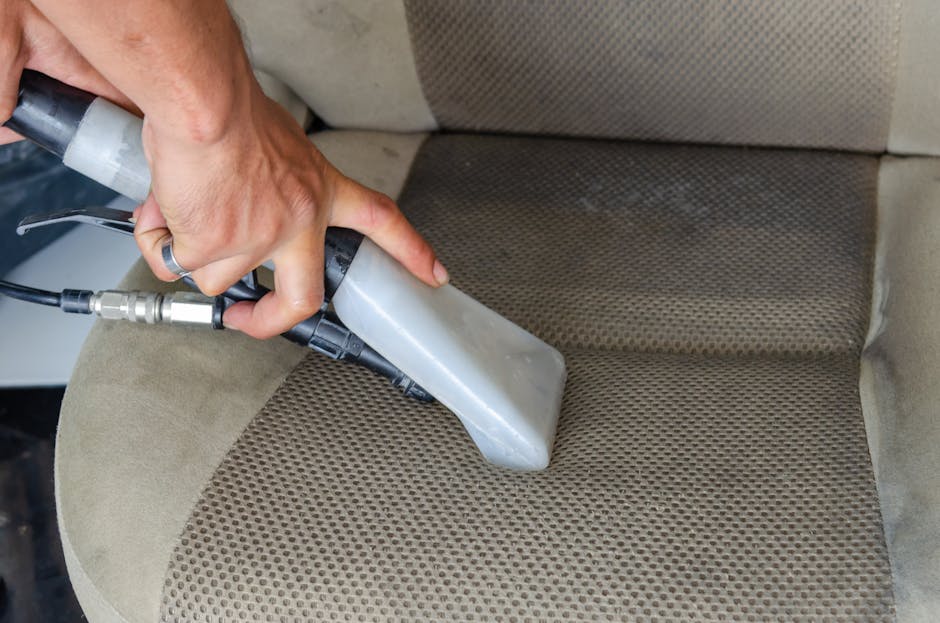
After that, the cleaning method is selected. Depending on the upholstery, that may involve low-moisture cleaning, hot-water extraction with controlled application, foam cleaning, or targeted stain treatment. The point is not to soak the material. The point is to lift dirt out while keeping the fill and fabric stable.
Drying is part of the process, not an afterthought. Professional work usually includes guidance on airflow, safe re-use times, and how to avoid flattening the pile while the fabric is still damp. A sitting room can look spotless but still feel a bit awkward if you sit down too soon and leave marks. Small thing, but worth knowing.
For furniture with pet-related issues, specialist help may include pet stain and odour removal. For larger sectionals or heavily used family seating, the same team may recommend a focused sofa cleaning treatment rather than a very light surface freshen-up.
Key Benefits and Practical Advantages
There are several reasons people choose upholstery cleaning specialists instead of trying a quick DIY fix. Some are obvious, some less so.
- Improved appearance: traffic marks, dull patches, and light staining are often reduced, sometimes dramatically.
- Fresher room feel: upholstery can hold odours from cooking, pets, smoke, or long-term use.
- Better fabric care: the right method helps protect fibres and stitching.
- Longer usable life: regular cleaning can slow down visible wear and grime build-up.
- More consistent results: professionals use inspection, spot testing, and measured application rather than guesswork.
- Less disruption: a well-planned visit is usually quicker and cleaner than repeated attempts with rented machines and trial-and-error products.
There is also a psychological benefit, which sounds a bit grand until you experience it. A clean sofa changes how a room feels at the end of the day. Suddenly the space reads as cared for. More inviting. Less tired. That matters in a home, and it matters in client-facing spaces too.
For landlords, letting agents, and tenants, upholstery care can support a better finish during end of tenancy cleaning. For offices and commercial interiors, it can complement office cleaning or commercial cleaning without disrupting the whole operation.
Who This Is For and When It Makes Sense
Upholstery cleaning is useful for more people than you might expect. It is not only for visibly dirty furniture. Sometimes the need is subtler.
You may benefit if you have:
- a sofa or armchair with drink marks, food spots, or general dullness
- pets that sleep on the furniture
- children, grandchildren, or frequent visitors
- a property you are preparing for sale or letting
- guest accommodation that needs a polished feel
- office seating that has seen years of daily use
- fabrics that smell stale even after vacuuming
- older furniture you would rather restore than replace
For a landlord or short-let host, timing matters. A clean sofa can help a property feel more settled and more cared for, especially after guest turnover. For family homes, the best time is often before stains become set-in and after a particularly busy season, like winter, school holidays, or a building project. If you have just finished refurbishment work, combining the job with after builders cleaning can make sense because dust from the works often settles into soft furnishings too.
And if you are wondering, "Do I need a specialist or can I just spot-clean it myself?" the answer usually depends on fabric type, stain age, and the value of the item. A quick spill is one thing. A two-year-old drink ring on a pale weave is another.
Step-by-Step Guidance
Here is the usual practical process, in plain English.
- Identify the fabric: check labels if available and note any care instructions.
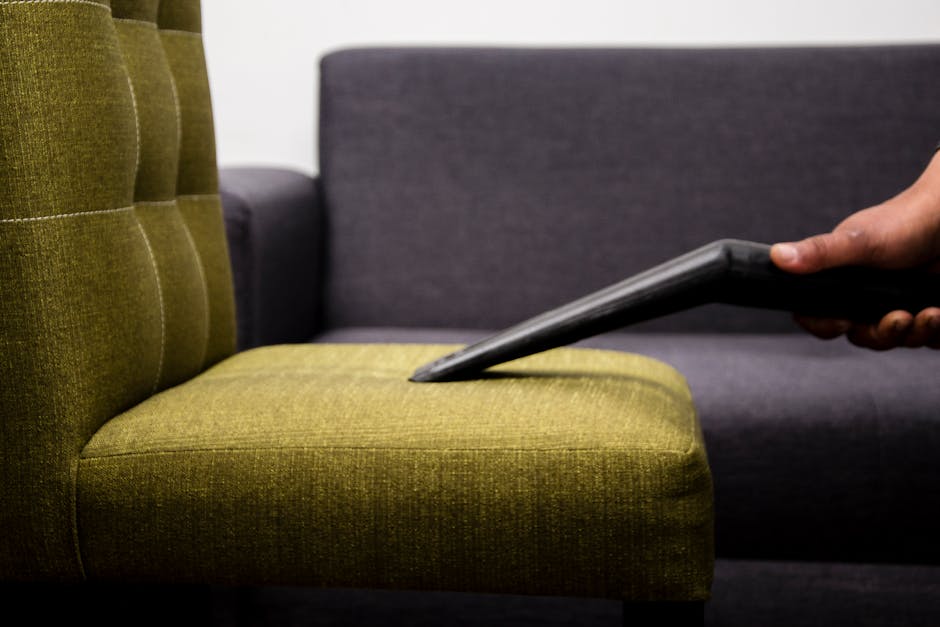
- Vacuum first: remove loose dirt, crumbs, pet hair, and grit so they do not turn into mud during cleaning.
- Inspect stains and wear: look for spots, odours, fading, rubbing, and previous product residue.
- Test a hidden patch: this is essential for colour stability and texture safety.
- Select the right method: low-moisture, foam, or extraction may be used depending on the fabric.
- Treat specific marks: target stains before the broader clean where appropriate.
- Clean evenly: work systematically to avoid tide marks or patchiness.
- Manage moisture carefully: too much water is a common cause of trouble.
- Speed up drying: use airflow and avoid heavy use until fully dry.
- Review the result: a proper final check catches missed spots and any areas needing extra attention.
That sequence sounds simple, but the judgement behind it is the real skill. Different fabrics need different handling. A modern synthetic sofa may be forgiving, while a delicate woven armchair can behave more like a diva. No offence to the armchair.
Expert Tips for Better Results
There are a few things that consistently improve outcomes, and honestly they are not complicated.
- Act early on spills: blot, don't rub. Rubbing pushes the spill deeper and can distort the fibres.
- Keep a note of the material: if you know the fabric type, the cleaner can make better decisions faster.
- Work from the outside in: this helps prevent a stain from spreading.
- Ask about drying time: it affects when you can safely use the furniture again.
- Think beyond the visible stain: odour and general soil are often more important than one obvious mark.
- Pair services where sensible: a sofa in a dusty home may benefit from a wider domestic cleaning schedule or a regular cleaning routine.
One small but useful tip: if your furniture sits close to a radiator or a sunny window, dry conditions can make some marks look worse before they look better. That can be unsettling at first. Give the fabric time. More than a few hours, sometimes.
Another practical point is access. Clear side tables, blankets, toys, and clutter before the visit. It saves time, and it lets the cleaner get right to the edges where dust likes to hide. Those little corners are often where the real story is.
Common Mistakes to Avoid
Most upholstery damage comes from well-meaning mistakes. A few of the usual suspects:
- Using too much water: this can lead to slow drying, odours, or marks bleeding through.
- Scrubbing hard: aggressive rubbing can roughen fabric and spread the stain.
- Applying generic products blindly: not every cleaner suits every textile.
- Skipping a test patch: a small test can prevent a big headache.
- Using the furniture too soon: damp fabric can attract fresh soil and crease under pressure.
- Ignoring odours: an item can look fine and still hold smells from pets, spills, or mildew.
There is also the mistake of assuming every stain is removable. Sometimes it is, sometimes it is not. Age, heat, previous DIY attempts, and fabric type all matter. A careful specialist will tell you that honestly rather than promising the moon. That honesty is a good sign, not a weak one.
Tools, Resources and Recommendations
The best upholstery care starts with the right approach, not just the right machine. Still, the tools matter.
| Method | Best for | Strengths | Watch-outs |
|---|---|---|---|
| Vacuuming and dry soil removal | Routine maintenance | Removes grit and dust before they settle in | Won't shift ingrained stains |
| Foam or low-moisture cleaning | Delicate or moisture-sensitive fabrics | Lower drying risk, often gentler | May not suit heavy soiling |
| Hot-water extraction | Durable upholstered items | Deep soil removal and strong freshness | Needs careful moisture control |
| Targeted stain treatment | Spills and specific marks | Focused approach to visible issues | Requires fabric knowledge |
For many homes, the most useful support services sit nearby in the same cleaning plan. For example, curtains can hold dust and odour too, so curtain cleaning can complement upholstery work nicely. Likewise, a room refresh may also include rug cleaning if floor coverings are part of the same wear pattern.
If the furniture is part of a wider home reset, you may also want to look at house cleaning or a one-off refresh through one-off cleaning. It sounds obvious, but a single service chosen well can save a lot of patchwork effort later.
Law, Compliance, Standards, or Best Practice
For upholstery cleaning, the main compliance concerns are usually safety, responsible product use, insurance, and honest service standards. In the UK, customers should expect a provider to work carefully around electrical items, minimise slip risks, and use cleaning chemicals in a sensible, controlled way. No one wants a wet floor surprise in the hallway.
It is also normal best practice for a cleaner to:
- carry suitable insurance
- follow a clear health and safety process
- test fabrics before full treatment
- explain any limitations before starting
- handle products and equipment responsibly
- respect the property and keep disruption low
Where businesses or landlords are involved, record-keeping and consistency matter too. If a building has shared entrances, common areas, or managed access, coordination with other services such as communal area cleaning may help avoid overlaps and confusion. In offices or shared workspaces, fabric care should fit smoothly around other maintenance like commercial carpet cleaning and general upkeep.
One more thing. Clear terms matter. Whether you are a homeowner or a business client, it is fair to know what is included, how access will work, and what happens if a stain cannot be fully removed. Transparent expectations are part of good practice. Always have been.
Options, Methods, or Comparison Table
If you are choosing between DIY and professional upholstery cleaning, the right answer usually depends on fabric value, stain severity, and the result you want. Here is a practical comparison.
| Option | Best when | Pros | Cons |
|---|---|---|---|
| DIY spot cleaning | Small, fresh spills on robust fabric | Quick, low cost, convenient | Higher risk of spreading marks or over-wetting |
| Rental machine cleaning | General freshening on durable upholstery | Can cover more area than hand cleaning | Results vary, drying can be slow, technique matters |
| Specialist upholstery cleaning | Delicate fabrics, old stains, odours, valuable items | Fabric-aware, controlled, more reliable | Usually costs more than DIY |
For some readers, the decision becomes obvious once they ask a simple question: do I want to gamble with this item? If the answer is no, specialist cleaning starts to look very sensible. A family sofa, a sentimental armchair, or a matching suite you genuinely like can be worth protecting properly.
Case Study or Real-World Example
Here is a realistic example. A household on Dundonald Road had a light-coloured two-seater sofa that had been in daily use for several years. The fabric looked flat and slightly grey in the main sitting areas, and there was a faint smell of pets even though the room itself was clean. Nothing dramatic, just one of those "it's not terrible, but it's not right either" situations.
The cleaning approach began with a careful fabric check and a small test patch. The visible marks around the armrests were treated first, then the full seating areas were cleaned evenly with controlled moisture. The odour issue received a separate treatment because smell and stain are not always the same problem, which people sometimes miss.
After drying, the sofa looked brighter and felt less sticky to the touch. The smell had lifted noticeably. The owners were not expecting a showroom makeover, and that is often the healthiest mindset. But the room felt fresher straight away, and the sofa no longer pulled the eye in the wrong way.
That kind of result is pretty typical when the fabric is suitable and the issue is soil build-up rather than permanent damage. It is also why a sensible inspection matters before any machine gets switched on.
Practical Checklist
Use this before booking or preparing for upholstery cleaning:
- Identify the main item: sofa, armchair, dining chair, headboard, or other fabric piece
- Check for labels or care notes if available
- List visible stains, smells, or wear areas
- Move fragile items and clear access around the furniture
- Decide whether you also want carpets, rugs, or curtains cleaned
- Ask how long drying is likely to take
- Confirm whether the cleaner tests the fabric first
- Ask what happens if a stain is permanent or only partially removable
- Plan when the furniture can be used again
- Keep pets and children away until the item is dry
Expert summary: the best upholstery cleaning is careful, fabric-led, and realistic. It should improve the look and freshness of the piece without guessing, flooding, or overpromising. If a cleaner explains the method clearly and asks good questions, that is usually a strong sign you are dealing with someone who knows what they are doing.
Conclusion
Dundonald Road upholstery cleaning specialists SW19 are a practical choice when your furniture needs more than a quick surface wipe. Whether the issue is staining, odour, general dullness, or the simple fact that a sofa has been lived on a bit too enthusiastically, professional cleaning can restore comfort and help protect the fabric for longer.
The key is to choose careful, methodical work over rushed results. Check the fabric, ask about the process, and think about the whole room, not just one mark on one cushion. That way, you get a cleaner result and fewer surprises. And honestly, fewer surprises is always a good thing when it comes to upholstery.
If you are ready to refresh your furniture, compare options, ask sensible questions, and choose a service that treats your home with care. Small improvements add up, especially in a room you use every day.
Get a free quote today and see how much you can save.
Frequently Asked Questions
What does an upholstery cleaning specialist actually do?
An upholstery cleaning specialist inspects the fabric, tests a hidden area, chooses the safest cleaning method, treats stains, and cleans the item with controlled moisture and care. The aim is to improve appearance and freshness without damaging the material.
How often should upholstery be cleaned?
That depends on use. A busy family sofa or pet-friendly home may need attention more often than a lightly used formal chair. Many people wait until the fabric looks dull or smells stale, but earlier cleaning is usually easier and safer.
Can all upholstery fabrics be steam cleaned?
No, not all fabrics suit steam or hot-water extraction. Delicate materials, certain blends, and items with previous damage may need a lower-moisture method. A proper inspection should come first.
Will upholstery cleaning remove every stain?
Not always. Some stains are permanent, especially if they have been heat-treated, scrubbed, or left for a long time. A good specialist will explain what is likely to improve and what may remain visible.
How long does upholstered furniture take to dry?
Drying time varies depending on fabric, method, airflow, and room conditions. Lightweight synthetic items may dry faster than thick natural fabrics. It is best not to sit on the furniture until it is fully dry.
Is upholstery cleaning safe for pets and children?
It can be, provided suitable products are used and the item is allowed to dry fully before normal use. If anyone in the home has sensitivity concerns, let the cleaner know in advance so the approach can be adjusted.
Should I vacuum my sofa before the cleaner arrives?
Yes, that is usually helpful. Removing loose dust, crumbs, and pet hair makes the cleaning more effective and allows the specialist to focus on the ingrained soil and stains.
Is professional upholstery cleaning worth it for older furniture?
Often, yes. Older furniture can be worth cleaning if the frame is sound and the fabric still has life left in it. It may not look brand new, but it can look and feel much better.
What is the difference between sofa cleaning and upholstery cleaning?
Sofa cleaning usually focuses specifically on sofas and sectionals, while upholstery cleaning is broader and can include chairs, headboards, dining seats, and other fabric-covered furniture. In practice, the methods often overlap.
Can upholstery cleaning help with bad smells?
Yes, especially if the smell comes from pets, general build-up, or absorbed everyday use. If the odour has deeper causes like mildew or a liquid spill that penetrated the padding, extra treatment may be needed.
Do I need to prepare the room before the appointment?
It helps to clear small items, move fragile objects, and make access easy around the furniture. That saves time and reduces the chance of accidents. A little preparation goes a long way.
Where can I find related cleaning services if I want a full refresh?
If you are planning a wider clean, related options such as mattress cleaning, rug cleaning, and window cleaning can help bring the whole room together rather than fixing only one item.