Wimbledon Village Carpet Cleaning Guide for Period Homes
If you live in a period property in Wimbledon Village, you already know the charm is in the details: original cornicing, uneven floors, thick skirting boards, older sash windows, and carpets that quietly carry the life of the house. The trouble is, those same features can make carpet care a bit more delicate than in a modern flat. This Wimbledon Village carpet cleaning guide for period homes is here to help you clean safely, protect your flooring, and choose the right approach when the carpet is wool, antique, fitted over old boards, or simply too precious to risk a rushed job.
Truth be told, period homes tend to hide more than they show. Dust settles in corners, spills can wick back after drying, and a carpet that looks "fine" on top may be holding onto grit underneath. Below, you'll find a practical, human guide to what works, what doesn't, and when it makes sense to call in a specialist.
Why Wimbledon Village carpet cleaning guide for period homes Matters
Period homes are not just older versions of modern homes. They behave differently. Floors may be slightly uneven, underlays may be dated, and carpets may have been fitted around fireplaces, alcoves, or stair turns that don't follow neat modern lines. That changes how dirt builds up and how moisture moves through the carpet.
The big reason this matters is simple: what is safe for a newer synthetic carpet can be risky for a wool or blended carpet in an older property. Too much water, too much heat, or the wrong chemical can leave browning, shrinkage, odour, or visible tide marks. And once that happens, repair is usually harder than prevention.
There's also the matter of appearance. In Wimbledon Village, many homeowners want the carpet to look clean without losing the character of the room. You do not want a fresh-clean smell at the expense of flattened pile, patchiness, or that slightly over-wet look that never really feels right in a drawing room with original features. A thoughtful cleaning plan protects both the carpet and the feel of the home.
If you are considering a broader refresh of the property, it can help to combine carpet care with other tasks such as deep cleaning or house cleaning, especially when rooms are being prepared for guests, tenants, or a seasonal reset.
How Wimbledon Village carpet cleaning guide for period homes Works
The best carpet cleaning process for period homes starts with assessment, not machines. You need to know the fibre type, pile construction, age of the carpet, and whether there are signs of previous damage. A wool carpet, for example, needs a gentler touch than a durable polypropylene one. A hand-knotted or loosely fitted carpet needs more care again.
In practice, a good cleaning visit usually follows a pattern:
- Inspect the carpet and test for colour stability in an inconspicuous area.
- Identify stains, traffic lanes, pet issues, or moisture-sensitive areas.
- Remove loose soil thoroughly before any wet cleaning begins.
- Select the right cleaning method: low-moisture, hot water extraction, or specialist spot treatment.
- Control drying carefully so the carpet and subfloor do not stay damp for too long.
On older floors, drying matters nearly as much as cleaning. If a carpet sits over timber boards that breathe unpredictably, excess moisture can cause musty smells or a wavy finish. Nobody wants that. A careful technician will often use air movement, measured solution use, and light agitation rather than simply flooding the area and hoping for the best.
If you want a closer look at a standard service approach, the main carpet cleaning service and steam carpet cleaning pages explain the wider method families often used for domestic carpets. For period properties, the key is not the label on the machine. It is how gently and intelligently the process is applied.
Key Benefits and Practical Advantages
When done properly, carpet cleaning in a period home does more than improve looks. It can genuinely make the home feel better to live in.
- Better indoor freshness: carpets hold dust, cooking traces, pet hair, and the everyday lived-in smell that builds quietly over time.
- Longer carpet life: removing grit helps reduce abrasive wear, especially on stairs and hallway runners.
- Safer appearance for guests: period interiors look sharper when the carpet is clean, even if the room itself is intentionally traditional.
- Improved stain management: older stains often become easier to see and treat after a proper assessment.
- More even colour: traffic lanes, matting, and dull patches become less obvious once embedded soil is lifted.
Another practical upside: a good clean can reveal whether a carpet is still in strong condition or whether it is nearing replacement. In old homes, that insight is useful. It saves guesswork. And sometimes it saves money too, which is no small thing.
If you are managing the whole property rather than one room, services like domestic cleaning and one-off cleaning can support a broader reset, especially after a busy season, renovation, or family event.
Who This Is For and When It Makes Sense
This guide is especially useful if your Wimbledon Village home has one or more of the following:
- original or older carpets that you do not want to replace yet
- wool or wool-rich carpet fibres
- delicate stair runners or hallway carpets
- pets, children, or frequent visitors
- visible traffic wear near doors, landings, or sitting rooms
- odours that linger even after vacuuming
- stains from wine, tea, mud, or pet accidents
It also makes sense if you are preparing for a sale, a rental handover, or a family gathering. Let's face it, there is a world of difference between "clean enough" and "properly looked after." Period homes often sit somewhere in the middle, so a targeted clean can make the house feel more considered without stripping away its character.
If your home sees regular footfall, a recurring schedule may be more practical than waiting until the carpet looks obviously dirty. In busy households, regular cleaning can be a smart way to stop soil from becoming deeply embedded.
Step-by-Step Guidance
Here is a simple, sensible way to approach carpet cleaning in a period property.
1. Start with a proper inspection
Look for loose seams, fraying edges, old repairs, and colour fade. Check whether the carpet is fitted tightly or slightly loose. If there are signs of moth damage or underlay deterioration, cleaning may need to be lighter and more controlled.
2. Vacuum thoroughly before any wet work
This sounds obvious, but in older homes it makes a massive difference. Dry soil is often what causes the scratchy, dull appearance in the first place. A slow vacuum with a good edge tool is usually better than a quick pass from room to room. Around the fireplace, under chairs, and along skirting boards is where the grit hides.
3. Test stains and fibres
Before applying anything, test. Always. Some older dyes can be more vulnerable than they look, and a spot treatment that works beautifully in one room may leave another patch slightly faded. That is not a fun surprise at 4pm on a Tuesday.
4. Choose the right method
Low-moisture methods can be useful for delicate or lightly soiled carpets. Hot water extraction may be more effective for deeply embedded dirt, but it must be used with care in older properties. A skilled cleaner will judge this based on fibre type, room ventilation, and how the carpet is installed.
5. Focus on moisture control
In period homes, drying should never be rushed by soaking the carpet. Controlled product use, airflow, and patience are better than trying to force results. Open windows if the weather allows, but do not create a damp, cold draught that slows drying further.
6. Finish with grooming and aftercare
A final groom can lift the pile and improve the appearance of traffic lanes. Once the carpet is dry, walk on it as little as possible for the first few hours if you can help it. If not, clean socks and a bit of common sense usually do the trick.
Expert Tips for Better Results
Some of the best results come from small decisions, not dramatic ones. Here are the things that often make the biggest difference.
- Use less product than you think: heavy chemical use leaves residues that attract dirt again.
- Work from clean to dirty: start with the least soiled rooms to avoid spreading grime.
- Treat spills quickly but gently: blot first, then treat. Rubbing usually makes things worse.
- Protect sensitive furnishings: furniture feet can stain or indent damp pile if moved back too soon.
- Mind the weather: a chilly, damp London day can slow drying considerably, especially in older rooms with less airflow.
One practical tip that people often overlook: keep an eye on the carpet's backing and edges, not just the visible surface. If the edges lift, darken, or smell slightly musty after cleaning, that is a sign the carpet or subfloor may have retained too much moisture. Better to catch it early.
If you are dealing with stubborn marks, a dedicated stain removal treatment may be more effective than an all-over clean alone. For smells linked to pets, consider pet stain and odour removal rather than masking the issue with fragrance.
Common Mistakes to Avoid
Period homes are forgiving in some ways and fussy in others. Carpet cleaning tends to expose both.
- Over-wetting the carpet: this is the classic mistake and the one most likely to cause drying issues.
- Using the wrong stain product: bleach-based or highly alkaline solutions can damage older fibres.
- Skipping a test patch: safe in theory, risky in reality.
- Scrubbing aggressively: you may flatten the pile or spread the stain.
- Ignoring underlay or subfloor issues: old properties can have hidden moisture or odour problems.
- Putting furniture back too soon: it can leave rust marks, dents, or transfer colour.
A smaller mistake, but still common: assuming every dark patch is dirt. Sometimes it is traffic wear, fibre distortion, or fading rather than soil. Cleaning can help, yes, but it cannot reverse everything. That honesty matters.
Tools, Resources and Recommendations
You do not need a van full of equipment to care for carpets well at home. A simple, sensible kit often goes further than complicated gadgets.
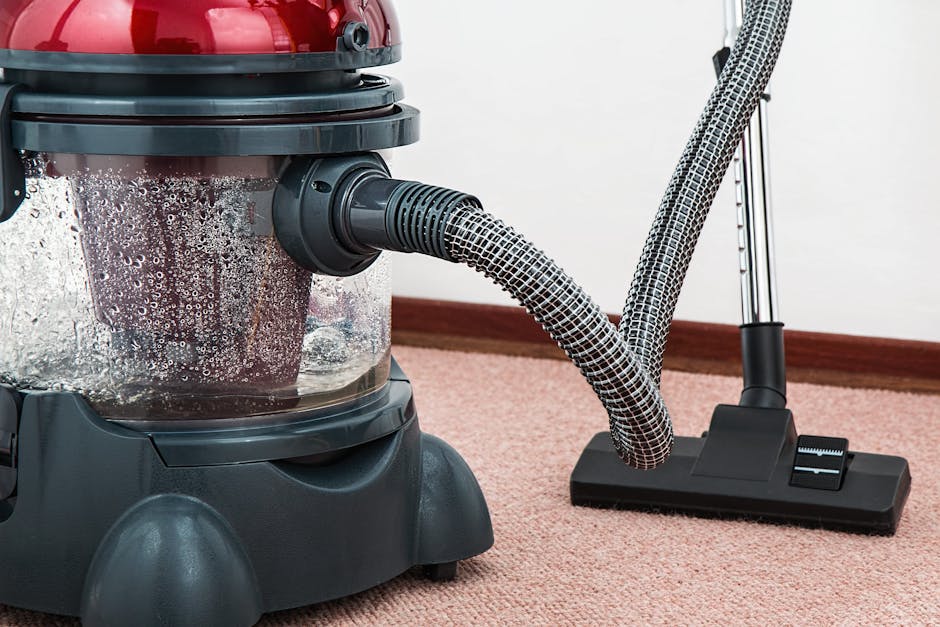
- Good vacuum cleaner: ideally with strong suction and useful edge tools
- White microfibre cloths: for blotting and testing
- Plain spray bottle: useful for controlled spot treatment
- Soft carpet brush: helps lift fibres without rough treatment
- Fan or airflow source: useful for speeding up drying after localised cleaning
- Protective pads: for furniture feet after cleaning
For larger homes, or where a carpet is part of a wider refresh, related services can make the whole job smoother. A clean carpet often looks best alongside freshly cleaned fabric surfaces, so it may be worth considering curtain cleaning, upholstery cleaning, or even rug cleaning if those soft furnishings are starting to look tired too.
If you are comparing provider details, it can also be useful to check practical information such as pricing and quotes, insurance and safety, and the company's wider about us information. Those pages tell you a lot about how seriously a business treats your home. Quite a lot, actually.
Law, Compliance, Standards, or Best Practice
For domestic carpet cleaning in period homes, there usually is not a single special legal rule that changes everything. What matters more is professional best practice, sensible care, and following general UK expectations around safety, honesty, and property protection.
From a practical standpoint, this means a cleaner should:
- work carefully around electrical sockets, stairs, and uneven floors
- use products responsibly and explain any relevant risks
- avoid making unsupported claims about stain removal outcomes
- protect furniture and surfaces during the job
- carry appropriate insurance where applicable
If you are hiring someone, it is reasonable to ask how they handle moisture control, fibre testing, and complaints if something does go wrong. Reputable businesses should be transparent about this. You may also want to review their health and safety policy and terms and conditions so expectations are clear before work begins.
Sustainability can matter too, particularly in homes where cleaning is part of a longer maintenance plan. If low-impact product use is important to you, take a look at recycling and sustainability information where available. Small choices add up. They really do.
Options, Methods, or Comparison Table
Different carpets and different rooms call for different approaches. Here is a straightforward comparison to help you think it through.
| Method | Best for | Pros | Watch-outs |
|---|---|---|---|
| Vacuuming and spot treatment | Light soil, fresh spills, routine care | Low cost, quick, minimal moisture | Won't remove deep grime |
| Low-moisture cleaning | Delicate or older carpets, faster drying needs | Gentle, less risk of saturation | May need more frequent treatment |
| Hot water extraction | Heavier soil, traffic lanes, general restoration | Deep cleaning effect, strong soil removal | Must be used carefully in period homes |
| Targeted stain removal | Specific marks, spills, pet accidents | Focused treatment, less disruption | Not every stain can be fully removed |
For some properties, especially those with mixed flooring, it can be smart to pair carpet work with hard floor cleaning in adjoining hallways or kitchens. That keeps the whole ground floor looking consistent rather than freshly cleaned in one room and tired in the next.
Case Study or Real-World Example
Picture a typical Wimbledon Village sitting room: original sash windows, a patterned wool carpet, a pair of antique chairs near the fire, and a hallway that catches muddy footprints whenever it rains. Nothing dramatic. Just normal life in a lovely older house.
A sensible clean in this kind of room would usually begin with a careful vacuum, a fibre test near the edge, and local treatment of the walkway from the front door to the sitting room. The cleaner would avoid flooding the carpet, work around the furniture instead of dragging everything out at once, and use drying fans or airflow to help the room return to normal quickly.
The result is not just "cleaner carpet." It is a room that feels lighter, fresher, and more inviting without losing its age or character. That is the real goal in period homes. Not perfection. Just respectful care that suits the space.
And yes, sometimes the smallest improvement makes the biggest difference. You notice it when you walk in and the room simply feels calmer. A bit less dusty, a bit more alive.
Practical Checklist
Use this before booking or attempting carpet cleaning in a period home.
- Check the carpet fibre type if you know it.
- Look for loose edges, fraying, or old repairs.
- Vacuum carefully, including edges and under furniture where possible.
- Test any product in a hidden corner first.
- Decide whether the issue is general dirt, a stain, or odour.
- Make sure drying time will fit your schedule.
- Move fragile items out of the way before work begins.
- Ask about insurance, safety, and aftercare.
- Plan for ventilation without making the room damp.
- Keep a record of any existing marks before cleaning starts.
If the carpet is part of a larger move, renovation, or guest-ready reset, you might also want to combine it with move in cleaning, move out cleaning, or after builders cleaning depending on what has been going on in the house. Different jobs, same basic principle: do the right thing in the right order.
Conclusion
Period homes in Wimbledon Village deserve carpet care that respects their age, materials, and character. The safest approach is usually the one that starts gently, checks the fibre, controls moisture, and treats the carpet as part of a wider home rather than a standalone surface. That may sound simple, but it is where good results actually come from.
If you remember just one thing, make it this: clean the carpet for the home you have, not the one you wish you had. Older properties reward patience, and they are far less forgiving of rough treatment than they first appear.
Get a free quote today and see how much you can save.
And if you are still weighing up your options, that is fair enough. A little caution now usually means a better-looking, longer-lasting carpet later. That's the quiet win.
Frequently Asked Questions
What is the safest carpet cleaning method for a period home?
It depends on the fibre and condition of the carpet, but low-moisture cleaning is often a sensible starting point for older or delicate carpets. If the carpet is robust and very dirty, carefully controlled hot water extraction may be appropriate. The key is matching the method to the material, not using the same process every time.
Can wool carpets in period homes be steam cleaned?
Sometimes, yes, but only with careful control. Wool can handle professional cleaning in many cases, yet too much moisture or heat can cause shrinkage, distortion, or browning. A small test patch and a cautious approach matter a lot.
How often should carpets in Wimbledon Village period homes be cleaned?
There is no one-size-fits-all answer. Busy family homes, homes with pets, or properties with heavy traffic may need cleaning more often than quieter homes. In many cases, routine vacuuming plus periodic professional cleaning is a balanced approach.
Will carpet cleaning remove old stains completely?
Not always. Some stains have permanently altered the dye or fibre, and some have already set into the backing. A professional clean can often improve the appearance significantly, but anyone promising total removal of every stain is probably over-selling it.
How long does carpet drying usually take?
Drying time depends on the method used, room ventilation, fibre type, and weather. In older homes, it can take longer than people expect. Good airflow helps, but the carpet should not be over-wet in the first place. That is the real trick.
Should I clean the whole carpet or just the stained area?
If the carpet is generally dirty or shows traffic lanes, a full clean is usually better for an even finish. If the issue is a small, fresh stain, targeted treatment may be enough. For older carpets, patch cleaning alone can sometimes make surrounding areas look dull by comparison.
What should I do before a carpet cleaner arrives?
Pick up small items, move fragile objects, and note any existing marks or damage. If you can, vacuum lightly before the visit. It also helps to mention anything unusual, such as loose edges, previous flood damage, or recent decorating work.
Is it worth cleaning carpets before redecorating or selling a period home?
Yes, often it is. Clean carpets make rooms feel brighter and better cared for, which can matter a lot in a property where character is part of the appeal. Sometimes the improvement is subtle, but the whole house feels more finished.
Can carpet cleaning help with pet odours in older homes?
Yes, especially if the smell is coming from the carpet fibres or minor accidents rather than deeper structural issues. A dedicated treatment is usually more effective than perfume-style masking, which can be a bit of a lose-lose really.
What if my carpet looks worse after cleaning?
That can happen if the carpet dries unevenly, if soil wicks back up, or if pre-existing wear becomes more visible once the surface dirt has been removed. It is one reason careful inspection and proper drying are so important. If there is a concern, contact the cleaner promptly and explain what you are seeing.
How do I choose a carpet cleaning company for a period property?
Look for experience with delicate fibres, clear insurance information, sensible moisture control, and honest advice about what can and cannot be achieved. Useful pages to review include pricing, safety, and company background, because trust is not just about a shiny result. It starts before the job begins.
Do I need professional carpet cleaning if I already vacuum regularly?
Vacuuming is essential, but it only removes loose soil from the surface and upper fibres. It will not fully lift embedded grime, old residues, or many stains. In period homes, professional cleaning is often the step that resets the carpet without replacing it.